Government

Medical packaging & devices go greener

Posted in Design, Environmental Issues, Government, Healthcare & Pharma, Materials, Recycling, cost-optimisation on July 15th, 2010 by Chris Penfold – Be the first to comment
Medical device packaging

Medical device packaging

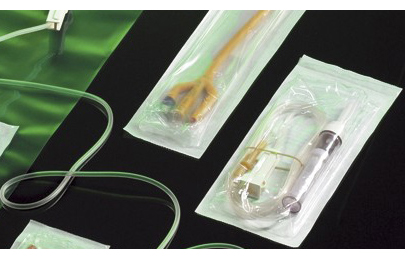
Traditionally medical products, devices and their related packaging has been ’sidelined’ in much of the debate around the environment, where the major focus has been on retail products. However, it is estimated (Mulligan) that medical packaging contributes between 30% to 50% (or more) of the medical waste stream. There is a lot of work going on in the background, within the National Health Service (NHS) in the UK, and further afield globally, as healthcare practitioners are put under increasing pressure to ‘go green’, become more ’sustainable’ and reduce their ‘carbon footprint’.  These initiatives go right to the core of their infrastructure, looking at everything from operating theatre furniture and equipment, through to medical devices and all related packaging.

However, there are wider ramifications, as it apparent that these sustainability initiatives will also enable huge cost benefits, improved regulatory compliance, and enhanced corporate social responsibility (CSR) when done correctly. So no pressure then ;-) !

On the face of it, this looks like a huge and daunting task, but with the aid of modern modelling techniques, such as those used by Walmart and by Marks & Spencer (M&S) in their ‘Plan A’, data and issues can be quite easily ‘chunked-down’ into manageable bite-size segments. This can help prioritisation and enable ‘quick wins’ on the highest ‘value creating’ initiatives.

It is important that suppliers and medical device manufacturers think about these sweeping changes and, if not already doing so, start to design and develop medical devices & healthcare packaging to meet these more stringent requirements. Next-generation packaging must be: 1) easy to manufacture; 2) meet stringent regulatory requirements; 3) meet the needs of distributors, healthcare institutions, and medical practitioners; and 4) minimize impact on the environment.

Mulligan talks in greater detail about all of this in an interesting article ‘Using a Life Cycle Analysis approach in medical packaging‘ recently published on the Healthcare Packaging website. Have a read and let us know what you think!

Chris Penfold

Pharmaceutical packaging – celebration of success – foundation for the future

Posted in Associations, Design, Government, Healthcare & Pharma, Legal, Machinery, Materials, Opinion, Safety, Uncategorized, cost-optimisation on March 11th, 2010 by Chris Penfold – Be the first to comment
Blister Packaging

Blister Packaging

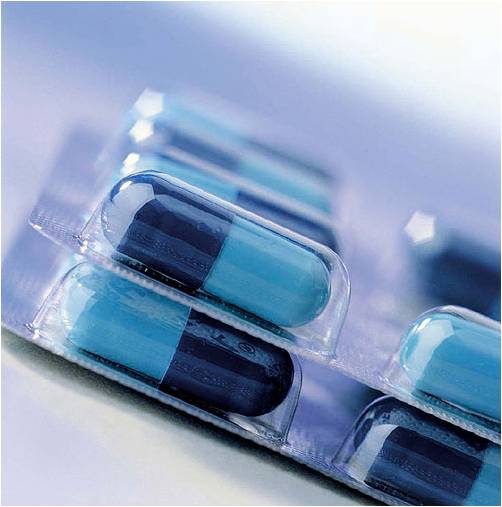
The following article is one that I’ve recently written for the Packaging Professional magazine, which details a fascinating 25 year transformation in the way we work and do business in the pharmaceutical packaging industry. Over that period the industry itself has undergone huge change and with recent economic pressures and the rise of generic competition is likely to continue unabated.

Back in the 1980’s, before the days of email and the internet, working in packaging could sometimes be a lonely business, especially in an area like pharmaceuticals where regulatory requirements, standards and process were constantly being updated as authorities, such as the US Food and Drug Administration (FDA) and the UK Medicines Control Agency (MCA), evolved  increasing powers and rules. A situation where ‘fit for purpose’ packaging could be a matter of life and death.

Pharma companies are strictly regulated and need to work to tight and common standards and most companies were running similar, machinery, quality systems and packaging materials. So learnings from one company could greatly help another and save having to ‘reinvent the wheel’. It was also important for the industry to provide a collective view to positively influence proposed legislation and regulations, with a common and pragmatic ‘voice’.

So back in 1984, the ‘seed’ of an idea for a group was ‘sown’ by Alan Haskins of Roussel Laboratories and Roy Gray of ICI Pharmaceuticals, after Roy’s boss had visited the USA and seen a successful American group working in the same sector. This was a defining moment and the group would not have happened without their collective vision and proactive approach. The first Pharmaceutical Common Interest Group (PCIG) meeting took place on 16th October 1984 at Sysonby Lodge, which was the head office of The Institute of Packaging (IOP) at the time). The meeting was chaired by Alan Haskins, with Roy Gray as Secretary and an attendance of 18 people from 15 pharmaceutical companies from across the industry. There were 37 questions raised & discussed at that meeting on a range of topics, including: a New British Standard for aluminium flexible tubes, label adhesives, Tamper Evidence and EAN bar codes – themes that would arise again and again over the years.

It was agreed that there would be three meetings per year and venues would rotate across the various company sites, but over the years most were actually hosted by the IOP.

One of the original members, Mike Shorten, who worked for Boots Pharmaceuticals at the time and is now retired, recalls:

“The PCIG soon became my most important network. Forty pharmaceutical practitioners across all sectors of the industry provided a powerful resource that could offer practical experience about most issues and without any consultants’ fees! A great strength of the group was the willingness of its members to talk openly about issues and share best practice and then to collectively influence new regulations and standards”

How the CIG has changed over the years

I have myself have been a member of the group for over 18 years (since 1991) and over that time can recall a great deal of camaraderie, focused help for each other and pragmatism having helped us all deal with issues as diverse as use of high barrier blister materials, bar coding issues and leeching of preservative through polyethylene bottles.

As issues became apparent, some common themes evolved and a number of dedicated ‘sub groups’ were set up to focus on specific topics. Four of these were Working Groups for Digital Artwork & Reprographics (DAR), Validation, Child Resistance and Quality Standards. The DAR subgroup was set up at a time when ‘desktop publishing’ was a buzz word being used as artwork generation moved from ‘old fashioned’ layout board, to a digitised computerised system.  At the time there was no common standard. There was a range of hardware (PC & Mac based), a number of operating systems, and various artwork creative software packages on each platform. The ease by which artwork could be generated and manipulated raised its own issues in terms of artwork version control and (in the early days) data going ‘missing’ sometimes between approval and print – which had the potential to cause a catastrophic result. So the group played a critical role in sharing ‘best practice’ and setting appropriate standards.

The Validation subgroup was formed in 1992, the founding Chairman being Mike Harwood of The Wellcome Foundation, Dartford. A subsequent Chairman (1993-98) John Cooper (of Pfizer at the time) recalls “The original intent was to develop a set of guidelines for validating pharmaceutical packaging equipment and then issue to IOP members, but as the guideline developed and the information was shared informally with machine manufacturers it became obvious that it would be of a wider benefit to publish a ‘book’. As I was a member both of the PCIG and Institute of Quality Assurance Pharma Quality Group (IQA PQG), I suggested that this was published jointly as a monograph in the series which was already established by the PQG. The monograph was published in 1998 and launched at a joint meeting of PCIG and PQG at the Royal Pharmaceutical Society in Lambeth with over 200 people in attendance, including the MCA Head of Inspection and Enforcement, Gordon Munro!” That was another defining moment in the ‘life’ of the PCIG and evidence of the esteem with which the group was held within the pharmaceutical industry. The third edition of that monograph is presently due for print.

It was not uncommon in the early days for PCIG meeting attendance to be around 35-40 people, with standing room only. Questions would be collated by the Secretary and shared at each meeting. It would sometimes take 3 or 4 hours to go through them all, one-by-one. As the years have gone by and we have moved in to a digital age, email has enabled members to converse more easily and questions can be asked and answered sometimes within minutes. So the focus and frequency of face-to-face meetings changed to providing more of an opportunity for discussing in more depth, processes, procedures, technology and impending legislation, and to keep in touch with old colleagues and friends. Together with the myriad of mergers among the pharma companies, this has meant attendances have dropped.

Where we are going with it in future
The PCIG (now called the Pharmaceutical Packaging Forum – PPF) is still active, with a core of ‘stalwart’ members and a new voluntary Secretary, David Pethick, former Director of Packaging Development at GSK. David is upbeat about future for the group and says “the pharma landscape, increasing demands and changing regulations on packaging present as much, if not more of, a challenge as when the PCIG was first established. I see both a need and role for a vibrant PCIG to help the pharma packaging professional meet those challenges, whether that be from simply providing networking among its members, to wider influencing, technical leadership, training needs or whatever”.

Pharma packaging legislation/regulation has changed enormously, and the Society recently received an enquiry about training courses on this. Feedback from PCIG members showed a high level of similar interest. Whether or not such a course could be developed is still a work in progress, but both David (for PPF) and Ian Morris, Training Manager at IOM3, would be interested in readers’ feedback.

Ultimately, the future and utility of PCIG, as over its past history, is reliant on the members who actively value and contribute to it.

Chris Penfold

If you work in Pharma and are interested in knowing more or in joining the PPF group, you can contact David Pethick (the Secretary) at dppk@btinternet .

On my own part (Chris), as well as continuing to be an active member of the PPF and a consultant, I am also the External Relations Officer of the East Midlands Packaging Society, for which you can find more information at: East Midlands Packaging Society.

You can find more help and advice on various aspects of pharmaceutical packaging at our sister site: The Pharma Gateway
Life-saving packaging in Haiti

Posted in Drinks Packaging, Food Packaging, Gift Packaging, Government, Healthcare & Pharma, Opinion, Safety on January 20th, 2010 by Chris Penfold – Be the first to comment

As we move into the second week following the Haitian earthquake, things have been fraught for the local population, most of whom have been without food, water, electricity, or a roof over their heads. During that period dead bodies have been piling up all over the place, including hospital car parks where medical supplies have been in short supply and many of the surgical operations that have been carried out, have been done without anaesthetic.

Medical, food & water supplies packaged to survive a harsh environment

Medical, food & water supplies packaged to survive a harsh environment

Although of no consolation to those that have perished over the past week, luckily the logistical situation is improving now that US ships have arrived and helicopters are finally getting to the places they are needed with those essential supplies. It is at times like this that we are reminded of the true worth of packaging,  in an environment where there are no fridges to keep things cool and packaging has to perform an even more essential role than normal in a very hostile environment. The packaging contains, avoiding spillage. It protects against crushing, vermin & pilfering. It preserves, providing protection for the products within and extended shelf life. It enables ease of transport, whether by plane, truck or onwards by hand and lastly it informs, providing vital information on contents, storage, dosage and application.

In summary, it provides a lifeline where, without it, medical supplies would arrive dirty and non-sterile, food would ’spoil’ within hours and water would become contaminated, leading to dysentery and further distress and trauma. So, packaging, where on earth would we be without it? Chris Penfold

FDA drug approvals mostly flat in 2009

Posted in Business News, Government, Healthcare & Pharma, Legal, Product News on January 6th, 2010 by Chris Penfold – Be the first to comment

Drug approvals from the Food and Drug Administration were flat last year compared with 2008 and warnings fell, even as the agency’s new leadership struck a tougher stance on safety.

The FDA approved 26 first-of-a-kind prescription drugs last year, up slightly from 25 in 2008, according to figures from Washington Analysis, an investment research group. New drugs cleared in 2009 included Novartis’ kidney cancer drug Afinitor and Bausch and Lomb’s pink eye medicine Besivance.

Chris Penfold – there are a number of reasons froi this trend, one of them being a reduced number odf applications – so we can’t read too much in to this report.

Sourced from Pharmaceutical & Medical News, 6th January 2010 – Washington, USA

Read the full article at: Pharmaceutical & Medical Packaging News

Labelling Standards Proposed for Caffeine

Posted in Drinks Packaging, Food Packaging, Government, Healthcare & Pharma, Legal, Opinion, Safety on January 5th, 2010 by Chris Penfold – Be the first to comment

States News Service, 29th December 2009 via www.packagingdigest.com

(Relating to information released by the National Association of Convenience Stores in the US)

With the growing popularity of caffeinated foods and beverages – recent years have seen the introduction of caffeine-infused chewing gum, drinks and potato chips. The Los Angeles Times has reported that, due to health concerns, some health experts have proposed introducing labelling standards for caffeine.

It is believed that there is a need to educate consumers about caffeine’s effects on the body, which according to  James Lane, a professor of medical psychiatry at Duke University Medical Center, can lead to problems such as attention deficit disorder, hyperactivity, high blood pressure, and insomnia.

Personally I think that this is a sound initiative, being proposed for the right reasons, although it will inevitably lead to further problems of text fit onto already cramped packs. What do you think? Chris Penfold

You can read the full article at: The Packaging Digest

Global experts meet this week to develop environmental standards

Posted in Associations, Business News, Environmental Issues, Government, Recycling, Tweets on December 10th, 2009 by Chris Penfold – Be the first to comment

Stockholm, Sweden — Experts from 15 countries are meeting this week to begin developing standards to cover environmental issues related to packaging such as reuse, recycling and composting.

recyclingAbout 70 delegates from China, Japan, Korea, the United States and 11 European countries are meeting in Sweden for the first gathering for the SC4 Packaging and Environment committee.

Published on Greenbiz.com 12th Dec 2009 and brought to our attention by our Twitter friend @packagindiva – thanks JoAnn! It would be good to get some consistency in this area. Well overdue. What to you think? Chris

The full article can be read here: http://bit.ly/4UB8ZK

Notts firms lead delegation to major US pharmaceutical conference

Posted in Associations, Business News, Design, Design Cognition News, Events, Exhibitions, Government, Healthcare & Pharma, Innovation, Opinion, Product News, Technology on November 3rd, 2009 by Chris Penfold – Be the first to comment
Tuesday, November 03, 2009 www.thisisbusiness-eastmidlands.co.uk

NOTTINGHAM science companies will lead a delegation of UK firms pitching for business during one of the biggest events in the American pharmaceutical industry’s calendar.

Businesses from the city account for one-third of the firms in the English delegation attending a reception during the American Association of Pharmaceutical Sciences (AAPS) annual meeting in Los Angeles.

They will meet potential customers and investors next week at an event hosted on their behalf by the British Consul in LA, Dame Barbara Hey.

The Nottingham firms taking part in the 20-strong delegation are Critical Pharmaceuticals, Design Cognition, Food and Drug Analytical Services, Molecular Profiles, Pharmaceutical Development Services and R5 Pharmaceuticals.

The US pharmaceutical market is the biggest and most lucrative in the world, with companies bidding for work in a field where the biggest firms routinely outsource research, development and service work to smaller companies.

Some of the Nottingham firms will be going to link-up with existing contacts, while others, such as specialist packaging and product development firm Design Cognition, are first- timers. Chris Penfold, the company’s chief executive, said: “We are on a fact-finding mission, to learn as much as possible about the US market and assessing where and how we can add value for US pharmaceutical companies looking to export, through our understanding of packaging requirements and regulations of global markets.”

His company is working closely with Pharmaceutical Development Services, which already has an office in the US state of South Carolina, another industry hotspot.

“Making a move into the US requires a great deal of market as well as regulatory intelligence,” said managing director Michael Gamlen.

“Close working relationships and collaboration are key to success and our respective consultancy services dovetail perfectly to add potential value for US companies.”

To read the full article, click here: http://bit.ly/Ox0hr

Watch this space for further information as I will be following up with This is Business- East Midlands (Nottingam Evening Post) after the AAPS event.

Incpen praises impressive UK recycling effort as rate doubles

Posted in Environmental Issues, Government, Recycling on October 12th, 2009 by Jane Bear – Be the first to comment

The amount of packaging used in the UK has remained at a near-constant level in the past decade, while the recycling rate more than doubled, figures published by the European Commission have revealed.

via Incpen praises impressive UK recycling effort as rate doubles | packagingnews.co.uk.

Ireland to double plastic bag tax

Posted in Business News, Environmental Issues, Food Packaging, Government, Marketing, Recycling, Retailers on September 25th, 2009 by Chris Penfold – Be the first to comment

Josh Brooks, packagingnews.co.uk, 24 September 2009

Ireland’s plastic bag tax is to double under new laws expected to be published next month.

The current 22 euro cent tax on every single-use carrier distributed would double to 44 cents, around 40p, under the proposals.

Comment: It’s great to see the Irish government taking initiatives to reduce POS use of plastic bags, but I still believe  that targeting plastic bags is a political stunt that takes everyone’s eyes off the ‘bigger picture’. There are ‘bigger fish to fry’ such as the 30% food waste generated every day by most households, which used huge amounts of energy and resource to grow it, farm it, transport it, package it, take it home, store it in the fridge – only to be thrown away – let’s get a sense of perspective here! Chris Penfold

Read the full article here: http://tinyurl.com/ydpcrrn

New research promises breakthrough for recycled glass

Posted in Drinks Packaging, Environmental Issues, Food Packaging, Government, Materials, Recycling, Retailers on September 11th, 2009 by Jane Bear – Be the first to comment

I’m not sure about this one, I suppose it depends on what shade of colour recycled mixed glass would give.  I mean a jar of white mayo could look a little unappetising in a light shade of greeny/brown.  Until the bottles/jars arrived how would you know if your design will work with it.  See what you think.

By Mike Stones, 11-Sep-2009  www.foodproductiondaily.com

Retailer demand for recycled glass could rocket after new UK research commissioned by the Waste and Resources Action Programme (WRAP).

The study, conducted in partnership with Sainbury’s, found that consumers are just as likely to buy products in jars and bottles made from mixed colour recycled glass as they are to buy items in clear glass packaging.

via New research promises breakthrough for recycled glass.